
Project Consultation
We begin by reviewing the type of project, proposed improvements, known soil concerns, construction schedule, treatment areas, and the objectives for chemical soil stabilization.
Chemical Soil Injection Stabilization
GridLock Industries LLC specializes in chemical injection soil stabilization for commercial developers, home builders, pool builders, contractors, construction teams, and property owners working with expansive and high-PVR soils throughout Texas and Southern Oklahoma.
Built For Expansive Soil Conditions
Expansive and high-PVR soils can create difficult conditions beneath foundations, slabs, pool decks, sidewalks, driveways, patios, commercial building pads, and other concrete-supported improvements. As moisture levels change, expansive soil can swell when wet and contract as it dries. Repeated shrink-and-swell cycles can contribute to movement beneath the improvements built above it.
GridLock Industries LLC focuses specifically on the soil stabilization step. Our chemical injection process uses a specialized, eco-friendly, non-hazardous solution designed to help reduce moisture-driven expansion and contraction within targeted soil areas.
GridLock does not perform excavation, dirt work, grading, drainage installation, foundation piers, retaining walls, or mechanical foundation repair. Our role is chemical injection soil stabilization.
Our Process
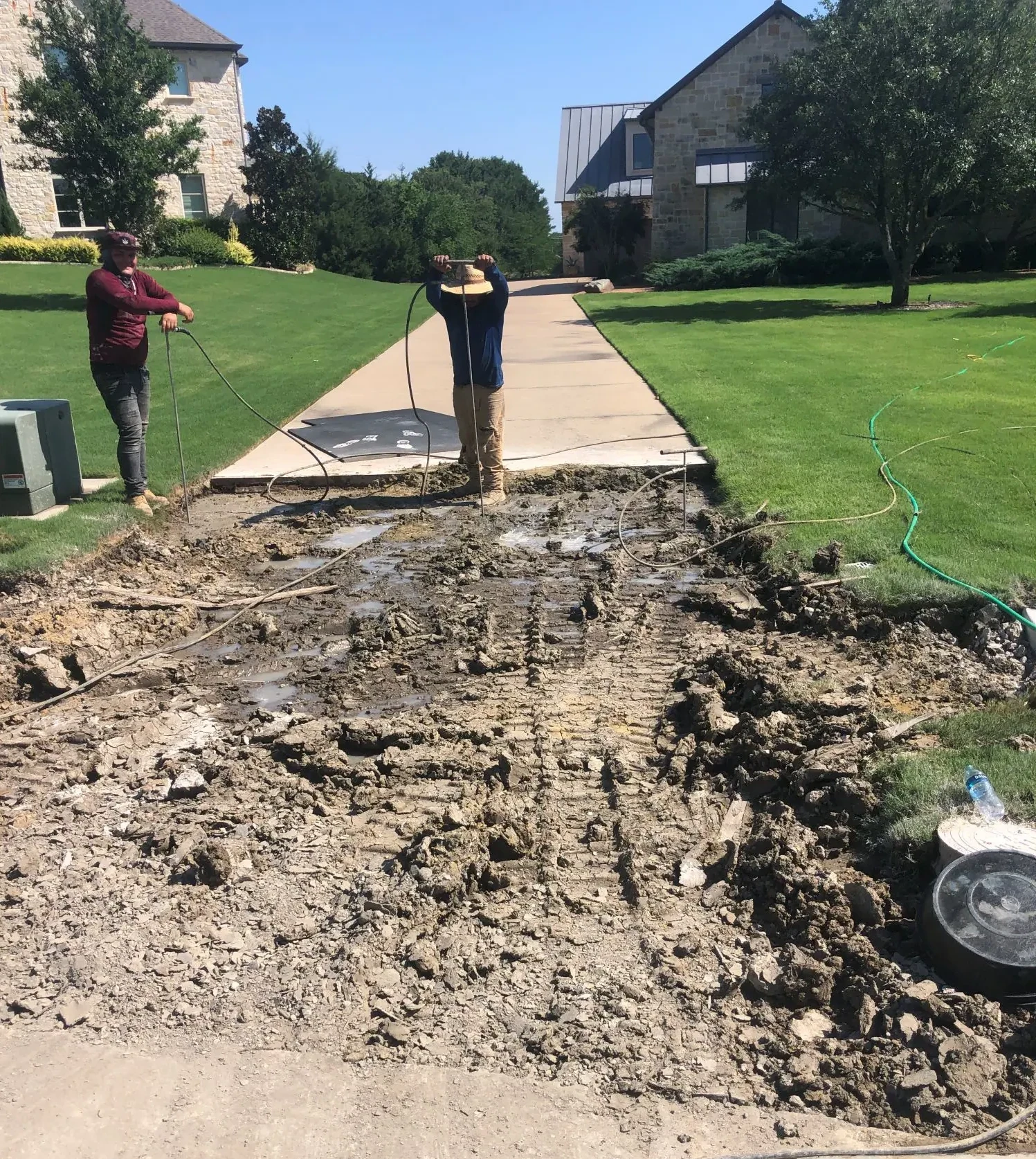
Every project has different treatment areas, access conditions, construction requirements, available project documentation, and soil stabilization goals. Our process focuses on identifying the chemical injection scope, planning the treatment areas, and completing the stabilization work as part of the larger project.
We begin by reviewing the type of project, proposed improvements, known soil concerns, construction schedule, treatment areas, and the objectives for chemical soil stabilization.
When geotechnical reports, foundation plans, construction drawings, or other project documentation are supplied by the owner, builder, developer, or project team, GridLock reviews that information as it relates to the chemical injection scope.
GridLock does not perform geotechnical soil testing or engineering. Those services are completed by qualified third-party professionals.
We review the areas scheduled for stabilization along with access conditions, existing improvements, construction stage, and the locations where chemical injection treatment is needed.
Based on the available project information and treatment requirements, GridLock develops a site-specific chemical soil injection plan. The scope identifies the areas to be treated and how the stabilization work will fit within the construction or property layout.
Injection locations are organized around the targeted treatment areas. These may include building pads, foundation areas, pool construction areas, pool decks, sidewalks, driveways, patios, slabs, or other concrete-supported improvements.
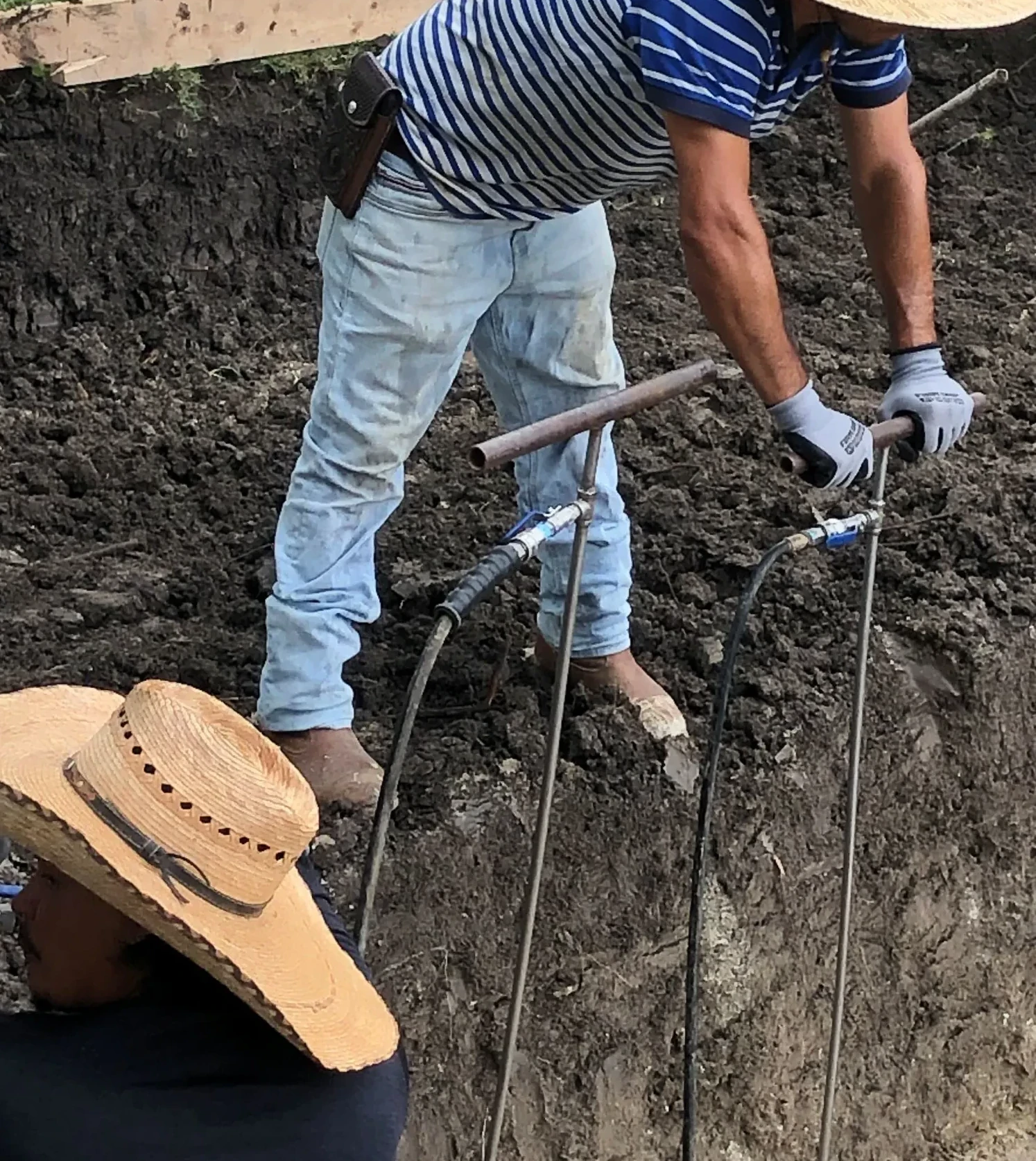
GridLock introduces the specialized chemical treatment into the targeted soil at planned locations and depths. The treatment is designed to help reduce the soil's sensitivity to moisture changes and limit the repeated expansion and contraction associated with expansive soils.
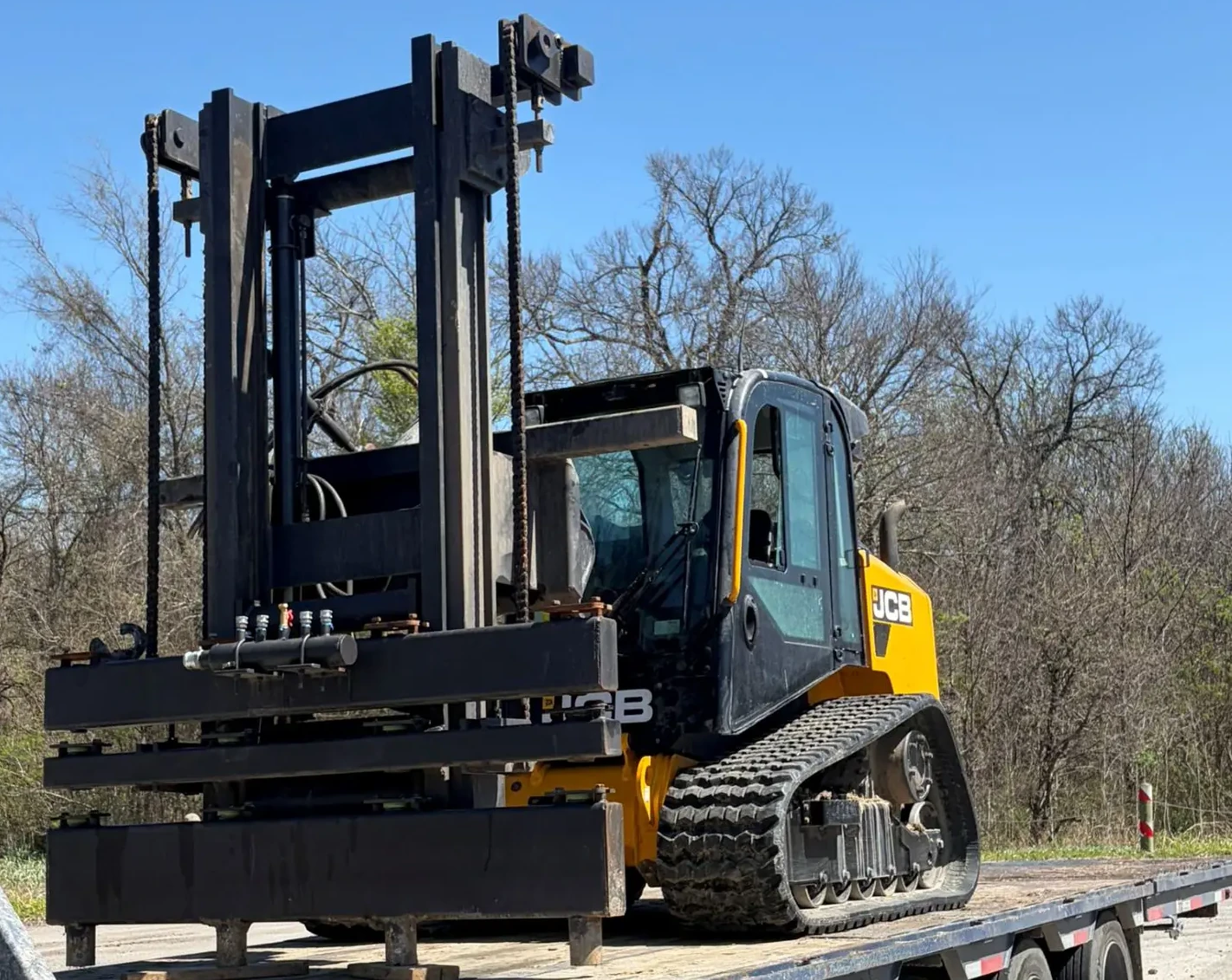
For active construction projects, GridLock coordinates the soil stabilization portion of the work with the project's schedule. Once our chemical injection scope is completed, builders, developers, pool contractors, and other trades can continue with their respective phases of construction.
After the planned chemical injection work is completed, the treated area can move forward within the larger construction or property-improvement process. GridLock's scope remains specifically focused on chemical soil stabilization.
Applications
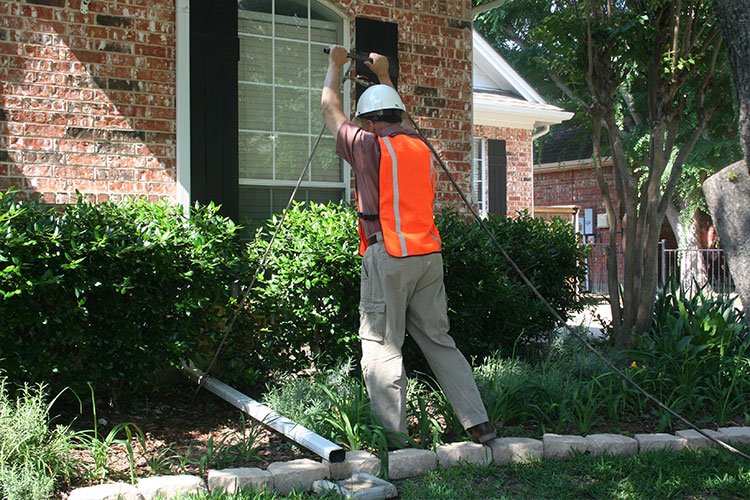
Chemical soil injection can be used in a variety of residential, commercial, and construction applications where expansive or high-PVR soil movement is a concern. GridLock works with project teams to stabilize targeted soil areas beneath or around the improvements being constructed or protected.
Why It Matters
Expansive soil conditions can affect foundations, slabs, pools, flatwork, construction schedules, and long-term project performance. Chemical soil stabilization gives builders and project teams a way to address targeted expansive soil before or around the improvements supported by it.
Chemical injection helps reduce moisture-related expansion and contraction within targeted expansive soils.
The process focuses on changing the behavior of targeted soil rather than performing structural foundation repair after movement has already occurred.
Chemical injection is designed to be less disruptive than large-scale excavation or soil replacement and can be incorporated into active construction projects or certain existing properties.
Pre-construction chemical soil stabilization can be coordinated with builders, developers, pool contractors, and other project teams before later construction phases begin.
Plan Your Soil Stabilization
GridLock Industries LLC works with developers, builders, pool contractors, construction teams, and property owners throughout Texas and Southern Oklahoma to provide chemical injection soil stabilization for expansive and high-PVR soils. Contact us to discuss the soil stabilization portion of your project.